Navigating the Mic Minefield: A Guide for Photography and Media Teachers

Navigating the Mic Minefield: A Guide for Photography and Media Teachers
In the modern media classroom, audio is no longer the "forgotten half" of video. Whether your students are filming documentaries, creating social media content, or recording podcasts, a reliable wireless microphone is essential. However, the market has recently become a "minefield" of similar-looking black boxes.
If you are looking to refresh your department's kit, here is a breakdown of the leading options from DJI and RØDE in simple terms.
The DJI Lineup: Innovation and Integration
DJI Mic Mini
The newest "budget-friendly" entry, the Mic Mini is designed for ultimate portability. It is incredibly tiny—about the size of a large coin—and clips on via a clip or magnet. It lacks the internal backup recording found in more expensive models, but it offers a massive battery life (up to 48 hours with the case) and can connect directly to smartphones or DJI cameras via Bluetooth.
- Best for: Social media modules, quick vlogging, and budget-conscious departments.
DJI Mic 3
Released in late 2025, the Mic 3 is the current "pro-sumer" flagship. It features 32-bit float internal recording, which is a lifesaver for students; it essentially makes the audio "unclippable," meaning even if a student shouts, you can fix the distorted audio in post-production. It also includes a touchscreen on the receiver for easy setting changes without needing a phone app.
- Best for: General media production where students might forget to set their levels correctly.
The RØDE Lineup: The Industry Standard
RØDE Wireless Micro
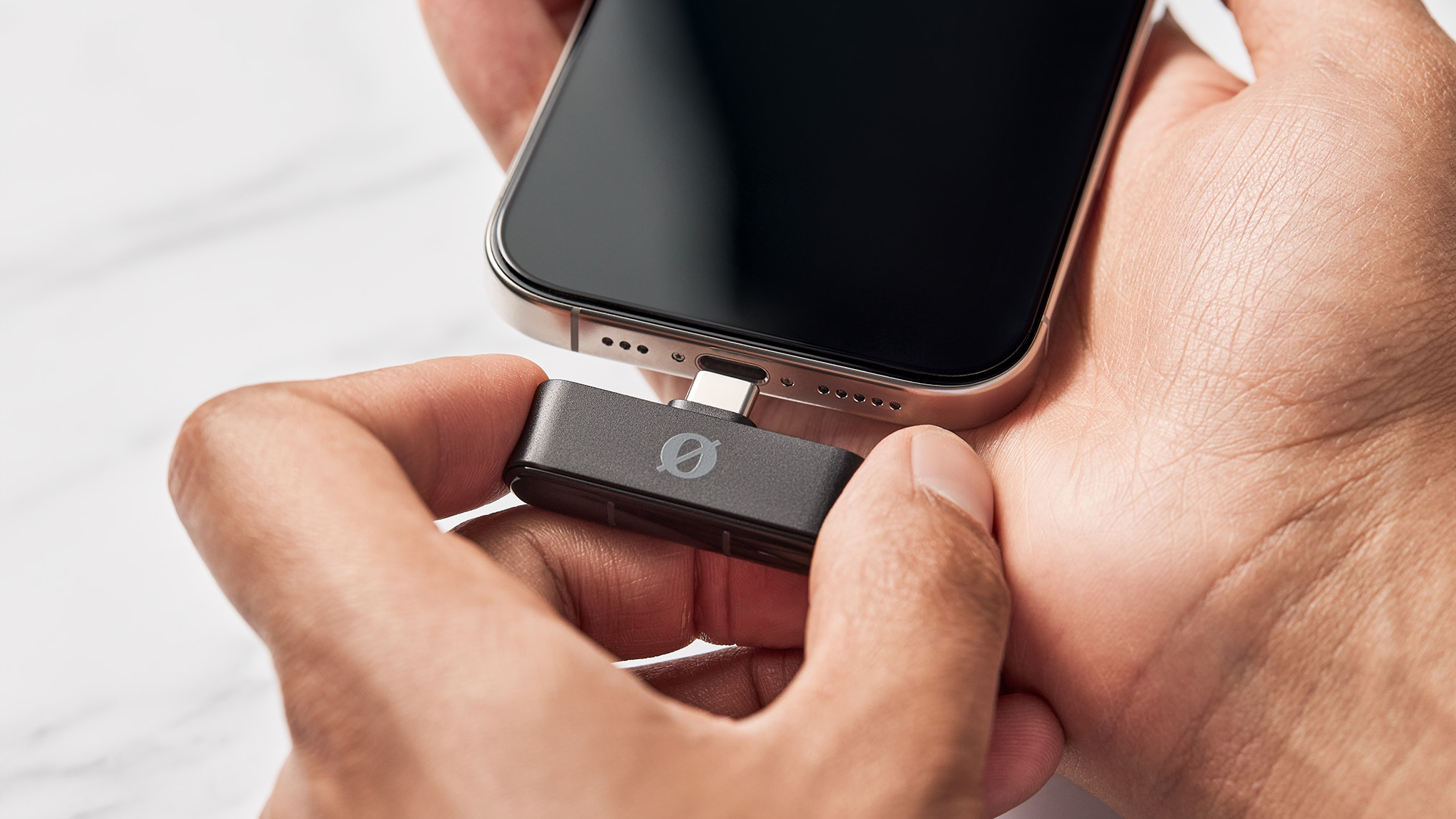
This is RØDE’s answer to the "smartphone first" world. The receiver plugs directly into the bottom of a phone (USB-C or Lightning) with no cables required. It uses Intelligent Gain Assist, which automatically adjusts the volume, so students don't have to worry about technical settings. It’s a "plug-and-play" dream, though it lacks a 3.5mm jack for traditional cameras. If this is a feature that is required – however, the new version The Wireless Micro Camera Kit, allows for use with traditional cameras as well as USB-C phones.
- Best for: Journalism students using "Mobile-First" workflows.
RØDE Wireless GO (Gen 3)
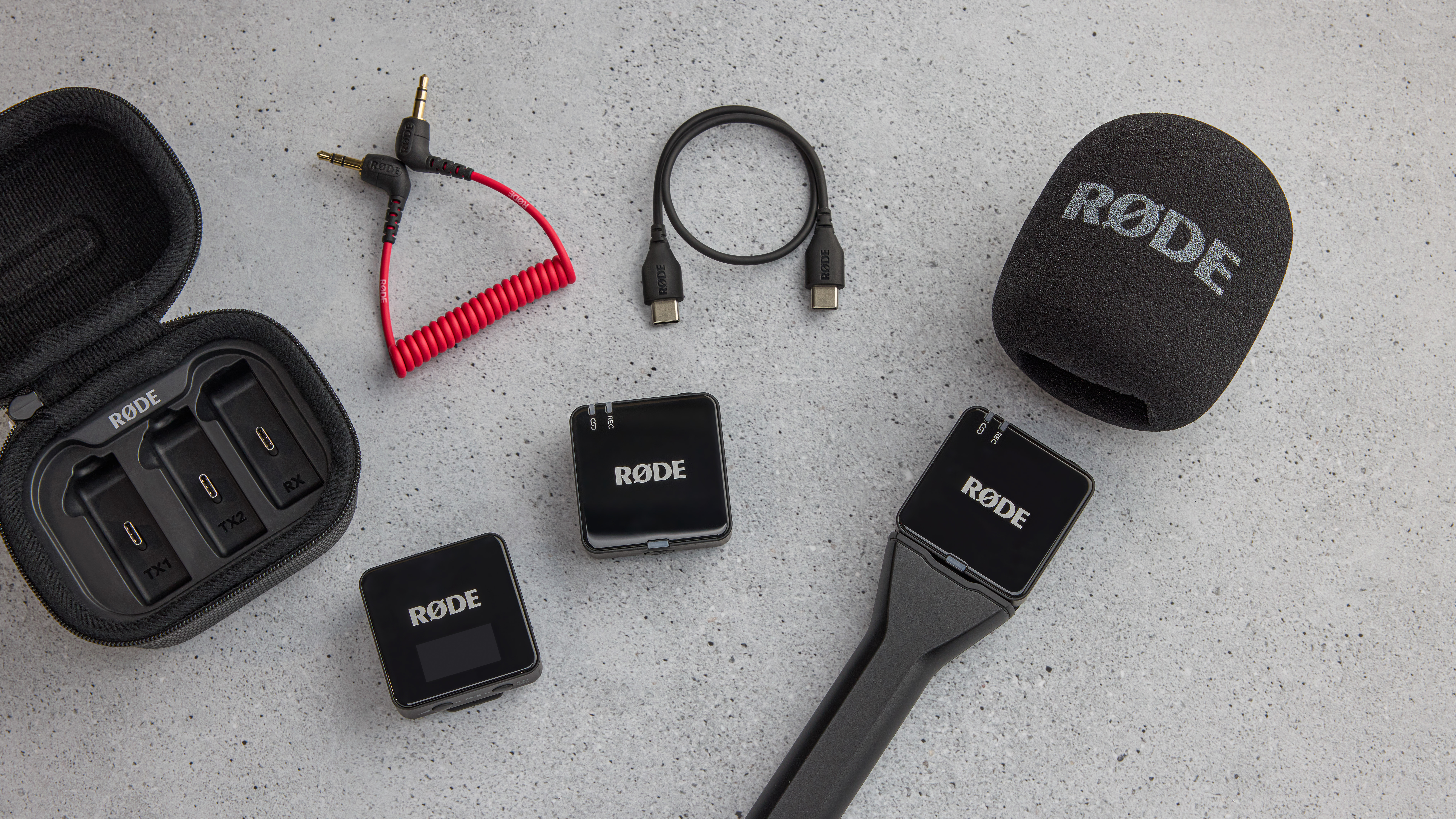
The "middle child" of the family. It is a solid, reliable choice that works with both cameras and computers. It provides high-quality audio and a simple interface. While it doesn't have the advanced 32-bit internal recording of the "Pro" version, it is rugged, dependable, and easier for beginners to pick up and use immediately.
- Best for: Reliable classroom sets for standard DSLR/Mirrorless video projects.
RØDE Wireless Pro
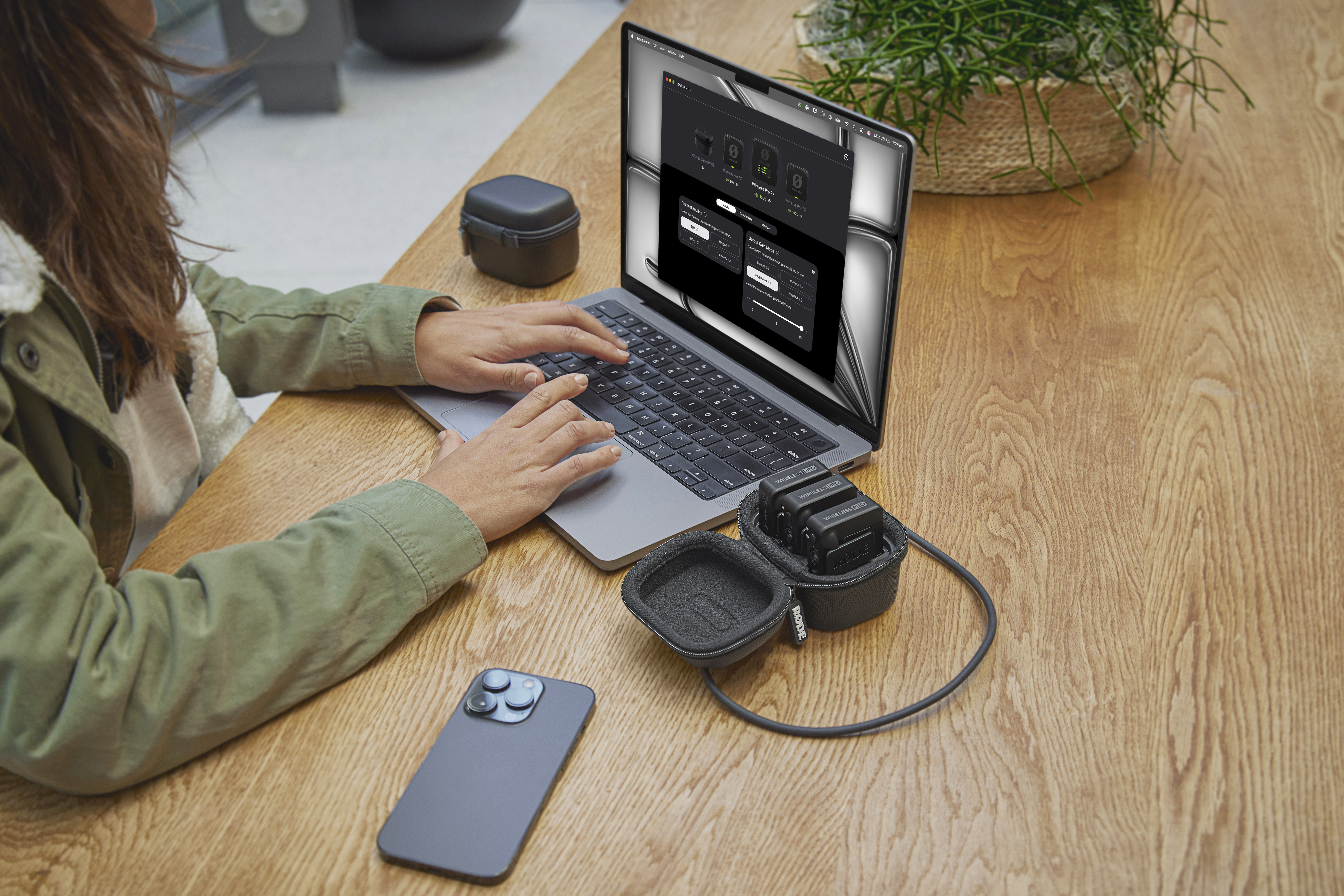
The "everything" microphone. It includes 32-bit float internal recording, timecode (to sync audio and video perfectly in professional software), and—crucially—comes with two high-quality Lavalier II microphones in the box. It also features "Locking" connectors so students can’t accidentally pull the mic cable out mid-interview.
- Best for: Level 3/Degree students working on high-end film projects and documentaries.
Summary: Which one for your department?
To help you decide, here is the simplified "Who is it for?" breakdown:
|
Model |
Primary User |
Key Benefit for Schools |
|
DJI Mic Mini |
Beginners / Social Media |
Cheapest entry point; massive battery life. |
|
RØDE Wireless Micro |
Mobile Journalists |
No cables; fits in a pocket; foolproof levels. |
|
RØDE Wireless GO |
General Media Students |
Industry-standard reliability; very easy to learn. |
|
DJI Mic 3 |
All-round Creators |
32-bit float ensures students never "ruin" a recording. |
|
RØDE Wireless Pro |
Aspiring Filmmakers |
Professional features (Timecode, Lavs included). |
The Bottom Line:
If you want to ensure your students never lose audio to clipping (distortion), go for the DJI Mic 3 or RØDE Wireless Pro. If you are strictly teaching mobile content creation, the RØDE Wireless Micro is the most streamlined tool available.